



The following transcript has been edited for clarity.
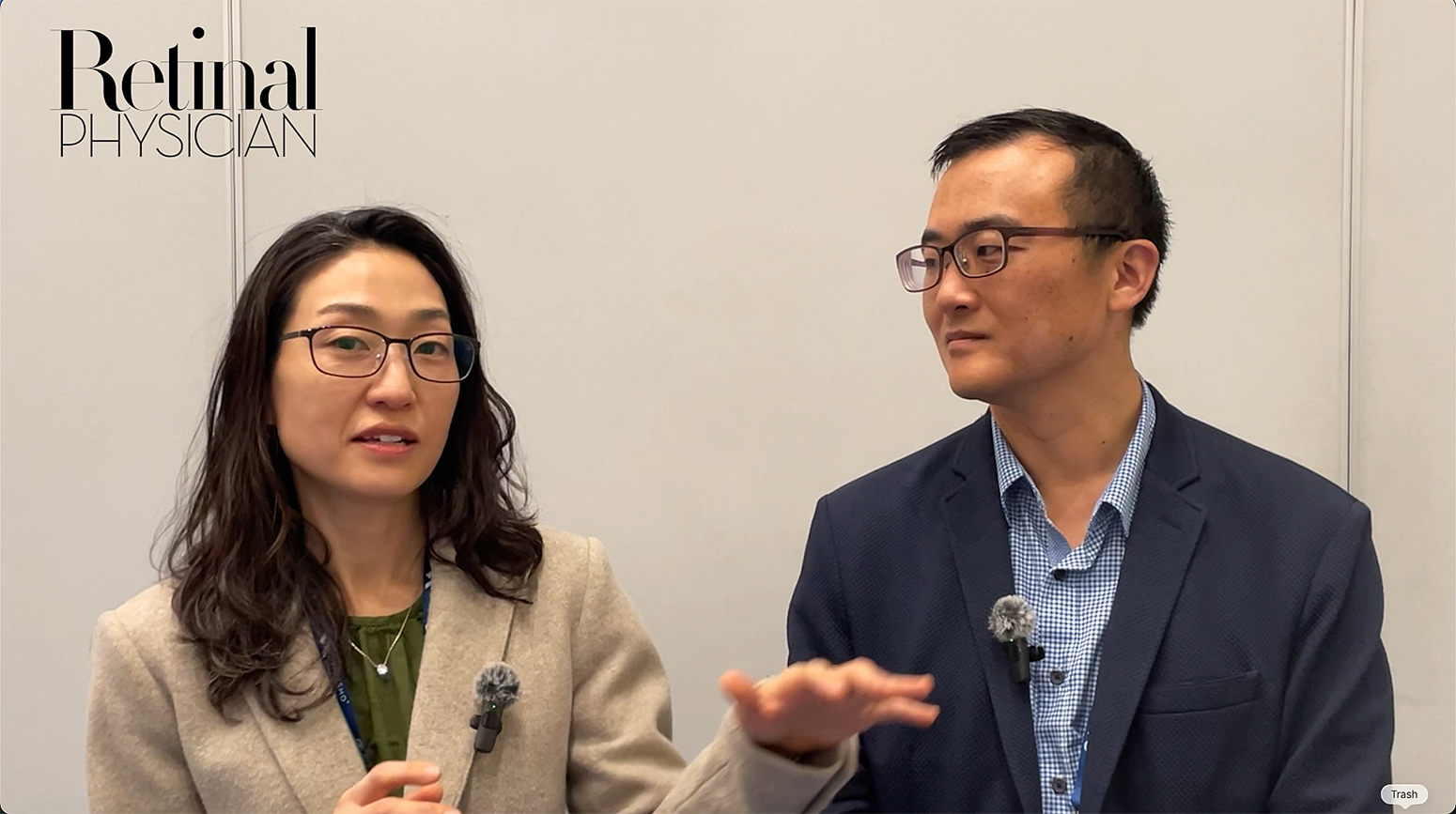
Hi, my name is Cecilia S. Lee, MD, MS. I'm the Jane Hardesty Poole Distinguished Professor of Ophthalmology and Visual Science at Washington University in St. Louis.
And I'm Aaron Y. Lee, MD, MSCI. I'm the new department chair for the Department of Ophthalmology at Washington University in St. Louis.
About the Cogan Award
The Cogan Award is one of the most prestigious honors at the annual Association for Research in Vision and Ophthalmology (ARVO) meeting. Named in honor of David G. Cogan, MD, a pioneering ophthalmic pathologist and educator, the award recognizes young researchers who have “made important and worthwhile contributions to research in ophthalmology or visual science” and “who show substantial promise for future contributions.” Recipients are invited to present the Cogan Award Lecture during the ARVO annual meeting. More information on the Cogan Award is available here.
Dr. Aaron Lee: We’re both really excited to be here at ARVO 2026 this year, giving the Cogan Award Lecture. This lecture details our combined history as the evolution of research has really changed in the field of ophthalmology and vision science. When we first started, things were still in paper charts. There were these big rooms filled with patient folders where you have to pull each one individually and then you have to type them into an Excel sheet and do analysis. And we've really witnessed from that moment in time moving forward to this new digital era where artificial intelligence (AI) is everywhere and there are new discoveries being made from these gigantic databases. And so we're very excited to share our journey that we took together through this space as we witnessed the evolution occur.
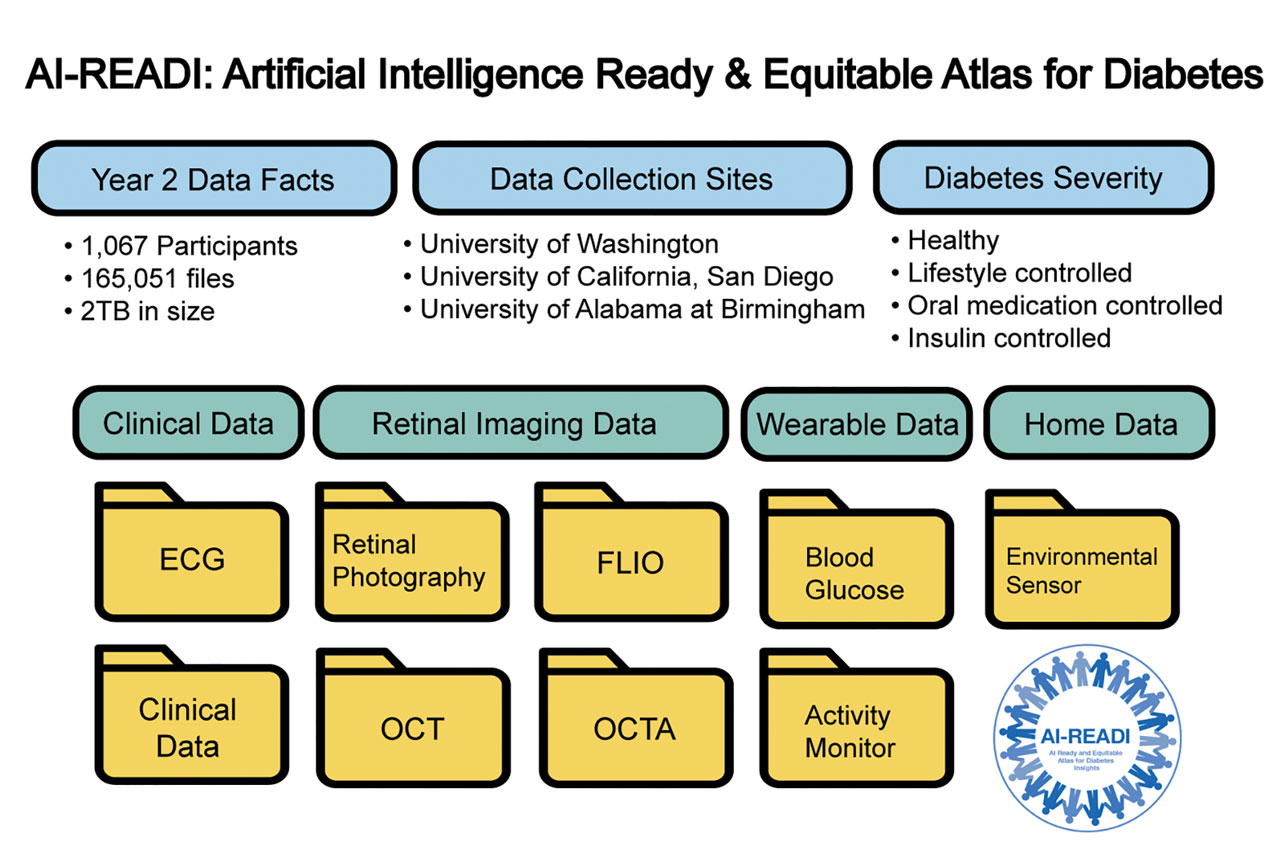
Dr. Cecilia Lee: And we're very fortunate because on our journey throughout this transition era—the paper charts to big data and AI and really looking forward to precision health and understanding systemic health and our aging through the lens of the eye—we were really mentored by the greatest mentors and colleagues and collaborators who really shaped our career. So we worked through smaller-scale RCTs, paper chart review, and went through a big data study involving a nationwide UK data set. Then we involved retinal imaging as a source of big data. IRIS Registry data sets were a huge component of lots of discoveries, and now AI-READI as part of Bridge2AI. And then we conclude with next steps and how we envision—in collaboration with all the partners and all the colleagues here—how we envision the next step of AI and precision health.
Dr. Aaron Lee: And like Cecilia said, we happened to be at the right time, in the right place, with the right skill sets, and really benefited from many mentors in many countries throughout our professional journey. And this lecture was really a chance for us to say “thank you” to all of them throughout our careers. RP