





Neovascular (“wet”) age-related macular degeneration (nAMD) is a chronic, progressive exudative retinal disease and a leading cause of severe vision impairment and blindness in individuals aged 50 years or older. The current standard of care is anti-VEGF therapy administered through regular intravitreal injections. Management is increasingly individualized, with decisions regarding treatment initiation, choice of anti-VEGF therapy, and retreatment intervals guided by clinical assessment of retinal fluid levels and retinal thickness, as observed on optical coherence tomography (OCT).
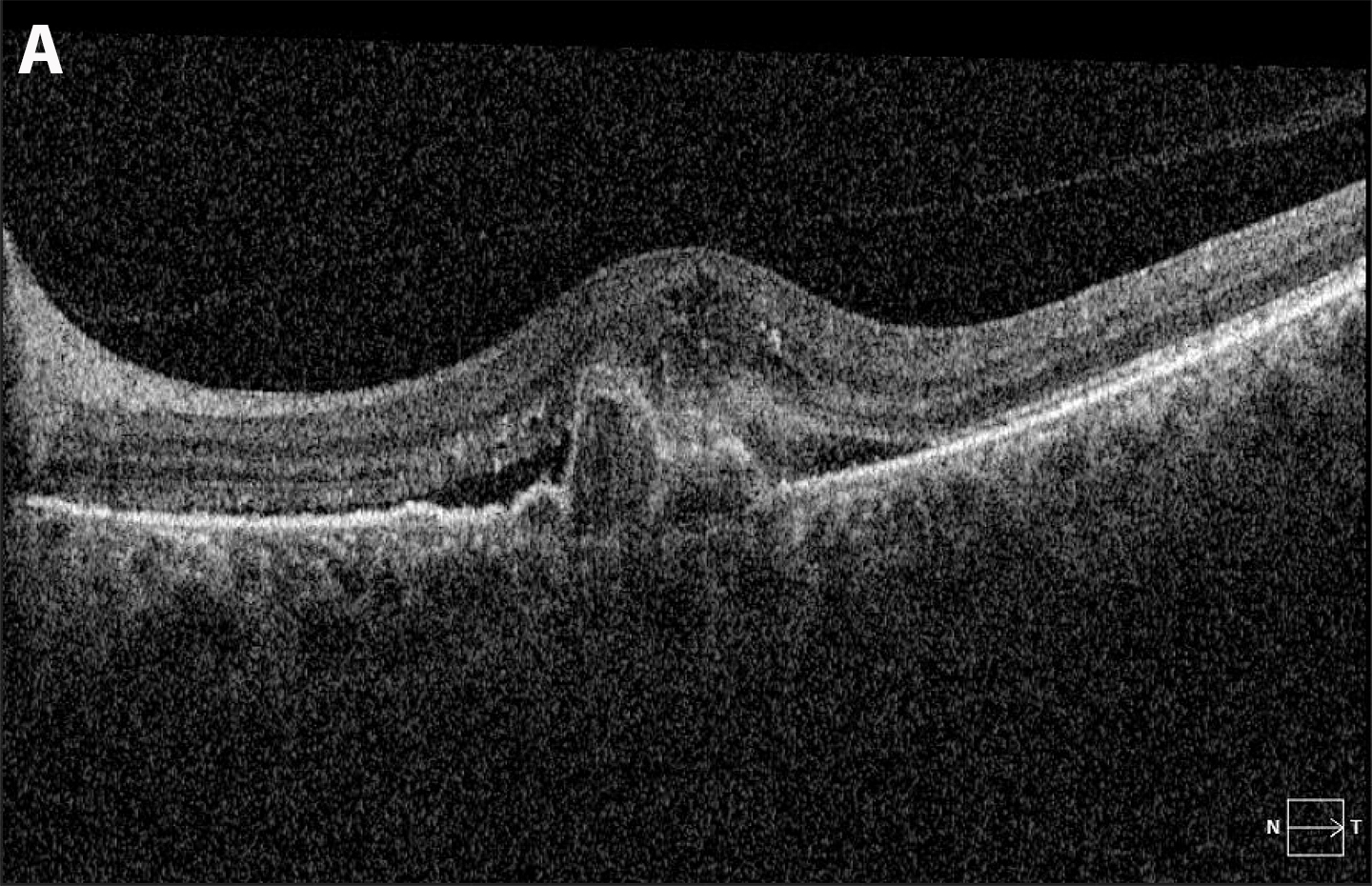
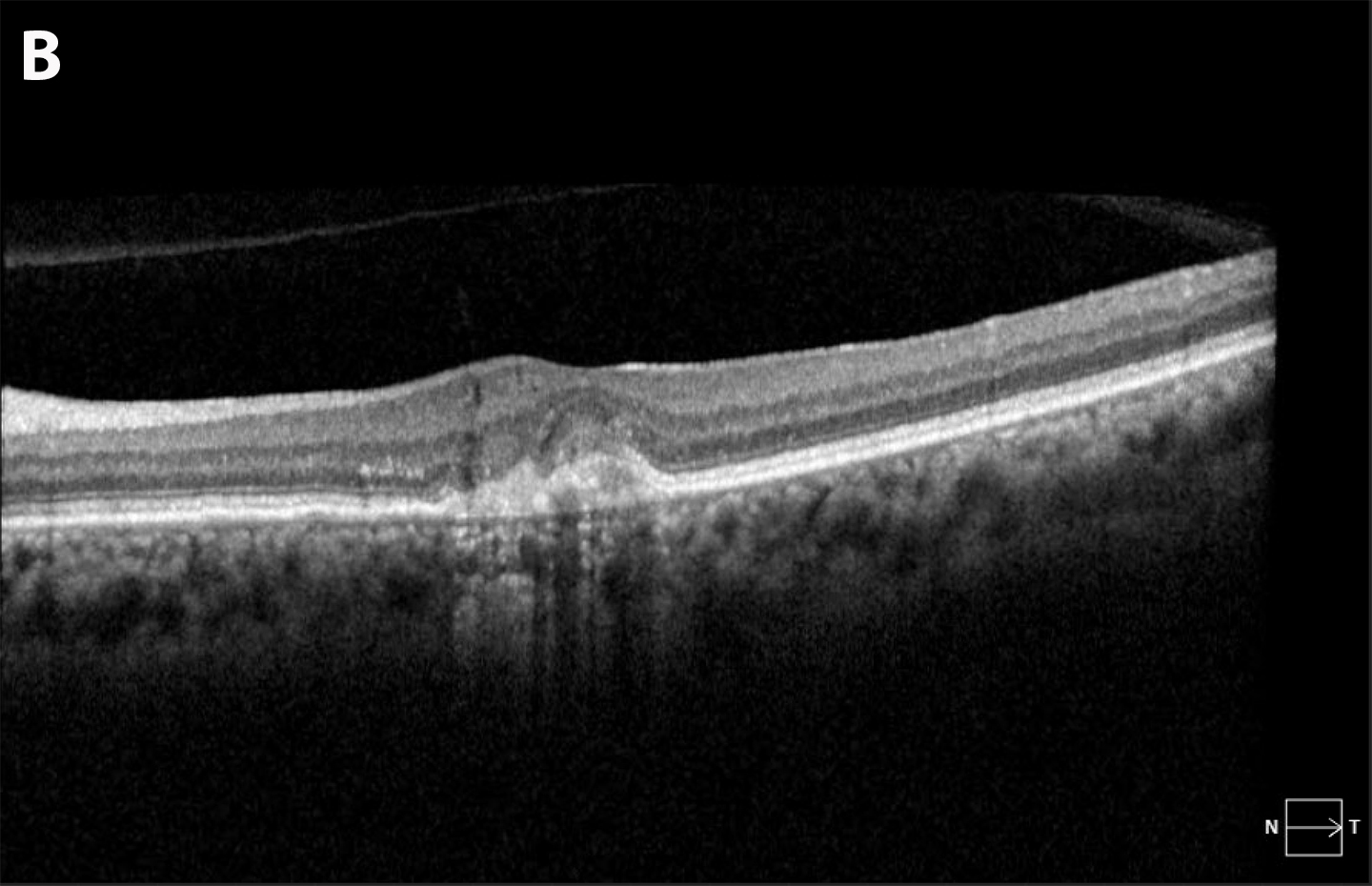
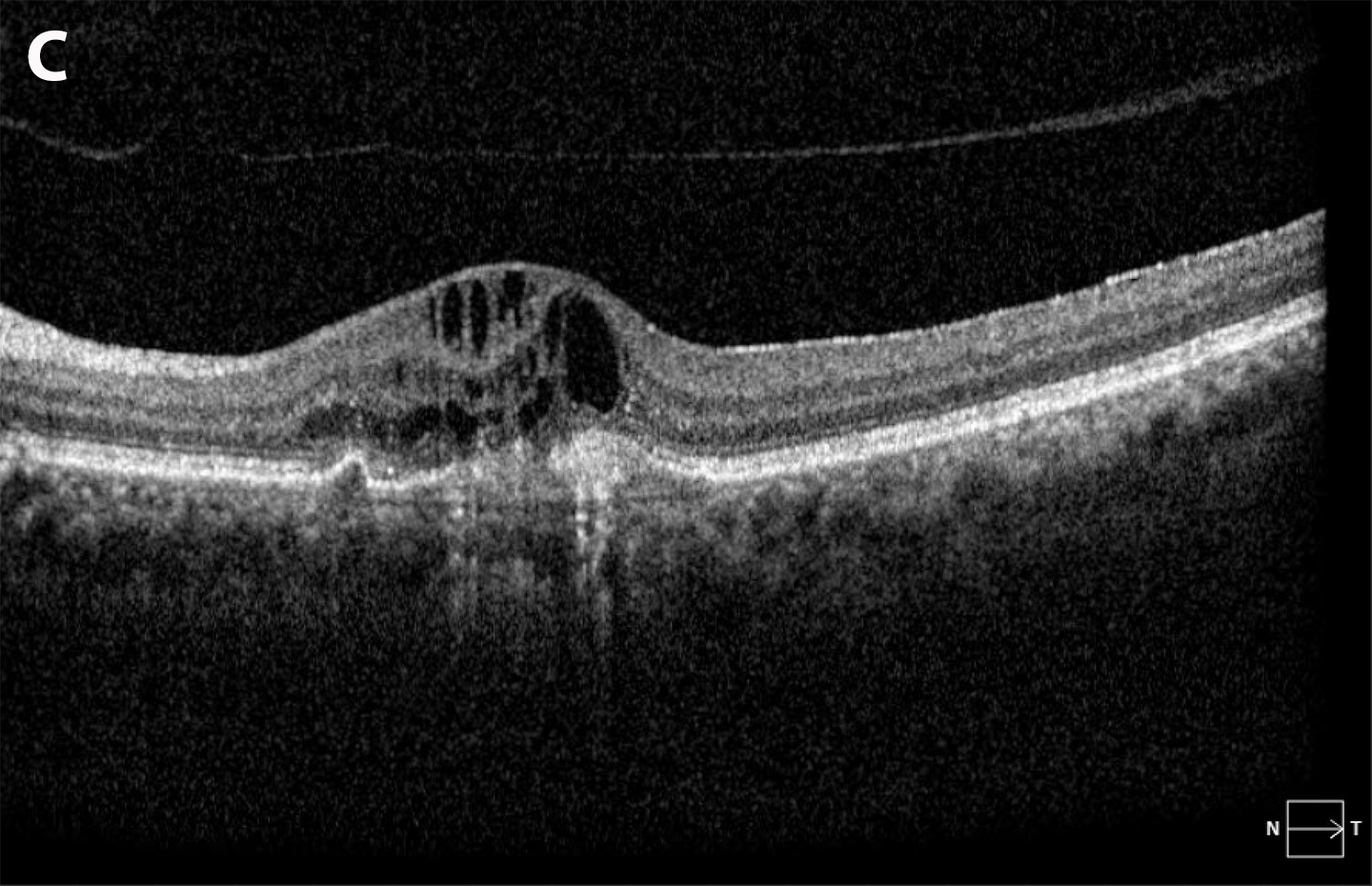
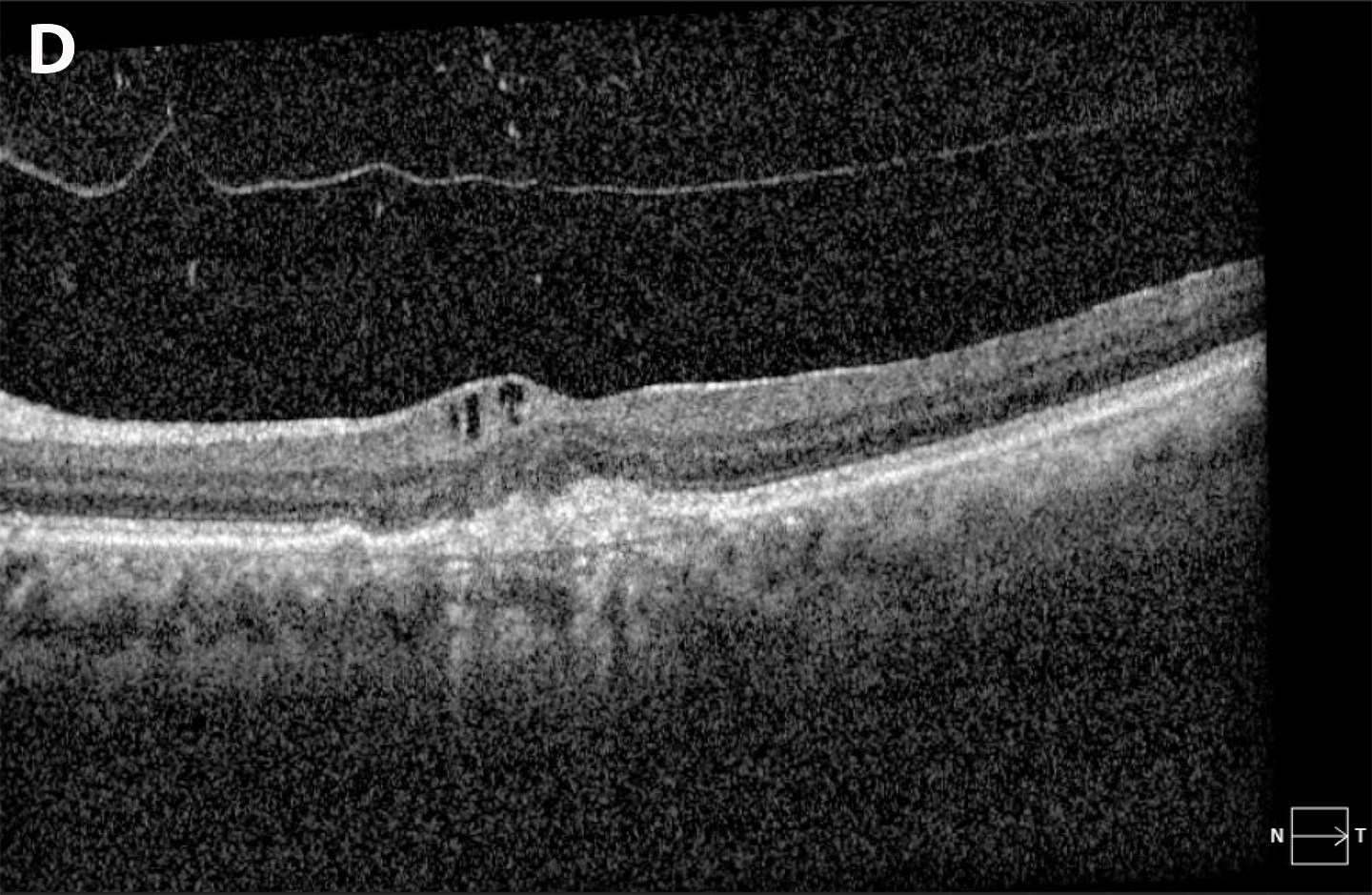
Although increased retinal thickness typically reflects disease activity,1 emerging evidence suggests that fluctuations in fluid volume during anti-VEGF treatment, as well as fluid type, may have a greater effect on long-term visual outcomes than the presence of residual fluid alone.2-6 Several recent and emerging therapeutic strategies therefore focus increasingly on durable disease control and minimizing fluid fluctuations rather than complete fluid resolution, which was a key goal of first-generation anti-VEGF therapies.
Clinical Impact of Retinal Thickness Fluctuations
The relationship between retinal thickness fluctuations and visual acuity outcomes was initially investigated in a pooled analysis of data from the CATT and IVAN trials, which evaluated treatment-naive eyes with nAMD receiving ranibizumab (Lucentis; Genentech) or bevacizumab (Avastin; Genentech).2 Retinal thickness variability was quantified using the standard deviation (SD) of foveal center point thickness (FCPT) measurements, with eyes stratified into quartiles according to the degree of fluctuation. Best-corrected visual acuity (BCVA) worsened significantly as retinal thickness variability increased. At 2 years, eyes in the highest FCPT SD quartile had BCVA outcomes that were 6.27 ETDRS letters worse than those in the lowest-variability quartile. Greater retinal thickness fluctuations were also associated with an increased risk of fibrosis and macular atrophy.
Subsequent post hoc analyses of the HARBOR trial, which evaluated monthly vs pro re nata (PRN) ranibizumab, and the HAWK and HARRIER trials, which compared brolucizumab (Beovu; Novartis) with aflibercept 2 mg (Eylea; Regeneron), reinforced these findings.3,4 Across these studies, lower retinal thickness variability was associated with greater visual gains. Similar associations have been reported in real-world populations receiving anti-VEGF therapy,5,6highlighting the importance of maintaining anatomic stability throughout treatment.
Treatment Paradigms and Retinal Thickness Fluctuations
Anti-VEGF dosing strategies are central to understanding retinal fluid fluctuations. Pivotal clinical trials established that optimal visual and anatomic outcomes require regular, proactive intravitreal anti-VEGF therapy. However, even fixed-interval dosing may allow recurrent exudation between treatments. This phenomenon is reflected in the characteristic “sawtooth” pattern of central subfield thickness (CST), with cyclical increases occurring before each injection, as observed with aflibercept 2 mg administered every 8 weeks (q8w).7
To reduce the burden of frequent intravitreal injections, a PRN approach has also been evaluated. However, post hoc analyses of HARBOR showed that patients receiving PRN ranibizumab experienced greater retinal thickness fluctuations and poorer BCVA outcomes than those in the monthly arm.3 These findings are consistent with the reactive nature of PRN dosing, in which retreatment is initiated only after recurrence of disease activity. Consequently, the PRN approach is now used infrequently in routine clinical practice. Instead, the treat-and-extend approach has emerged as a pragmatic compromise between fixed and PRN dosing.
Nevertheless, as treatment intervals are progressively extended, some patients may still experience fluctuations in retinal thickness. These challenges may be further amplified in routine clinical practice, where missed appointments, delayed injections, and undertreatment remain common. Such deviations from protocol-driven care can prolong treatment intervals, allowing recurrent exudation and greater retinal thickness variability, which may contribute to the differences in outcomes observed between real-world practice and clinical trials.
Rethinking the Role of Subretinal Fluid
The anatomic location of retinal fluid also appears to influence visual outcomes. Post hoc analyses of HARBOR showed that the presence of subretinal fluid (SRF), or fluctuations within the SRF compartment, was not associated with worse visual outcomes.3,8 Notably, small amounts of SRF were associated with greater visual gains in some analyses. In a retrospective study of patients with nAMD treated with aflibercept 2 mg, baseline SRF presence was associated with better baseline BCVA and a 5.3-letter gain after 1 year of treatment.9 Furthermore, post hoc analyses from HARBOR demonstrated better visual outcomes in eyes with residual SRF than in those in which SRF had completely resolved.10 In contrast, the presence of intraretinal fluid (IRF) has consistently been associated with poorer visual outcomes.3,8,10
Together, these findings reflect the complex relationship between SRF, IRF, and visual acuity, suggesting that complete fluid resolution (a therapeutic goal of first-generation anti-VEGF therapy) may not necessarily translate into improved visual outcomes in all patients. Consequently, there is growing interest in treatment strategies that prioritize long-term retinal stability and minimize retinal fluid fluctuations while reducing the burden of frequent intravitreal injections.
Emerging Approaches for Durable Disease Control
Second-Generation Anti-VEGF Agents
Novel second-generation anti-VEGF agents have been developed with the goal of extending dosing intervals beyond those achieved with first-generation therapies (eg, ranibizumab, aflibercept 2 mg, and bevacizumab). One such agent is faricimab (Vabysmo; Genentech), a bispecific antibody that targets both VEGF-A and angiopoietin-2, key mediators of vascular instability and leakage.11 In the phase 3 TENAYA and LUCERNE trials in nAMD, intravitreal faricimab achieved visual acuity gains and anatomic improvements with dosing intervals extended to as long as every 16 weeks, with efficacy maintained through 2 years, demonstrating improved treatment durability.12 Similarly, a high-dose (8 mg) formulation of intravitreal aflibercept (Eylea HD; Regeneron) demonstrated efficacy and safety with dosing intervals of 12 to 16 weeks in the phase 3 PULSAR trial.13,14
Port Delivery System With Ranibizumab
Another strategy for extending treatment durability is the use of sustained-release drug delivery platforms, such as the port delivery system (PDS) with ranibizumab (Susvimo; Genentech).15 This surgically implanted, refillable ocular device is designed to continuously release a customized formulation of ranibizumab (100 mg/mL) into the vitreous for approximately 6 months or longer. In the phase 3 Archway trial, visual and anatomic outcomes with the port delivery system refilled every 6 months were noninferior to those achieved with monthly ranibizumab 0.5-mg injections.16
Importantly, a post hoc analysis of Archway showed that the PDS provided effective control of retinal fluid and CST fluctuations in most treated eyes.17 Among eyes with persistent IRF, the mean BCVA change from baseline to mMonth 24 was -2.1 letters in the PDS group compared with -6.9 letters in the monthly ranibizumab arm. Although exploratory, these findings suggest that continuous intraocular drug delivery may provide more consistent suppression of disease activity and greater anatomic stability in eyes with residual IRF than intermittent intravitreal injections.
Investigational Sustained-Release TKIs for Retinal Exudative Disease
Beyond the PDS, a growing pipeline of sustained-release platforms incorporating small-molecule tyrosine kinase inhibitors (TKIs) is under development for nAMD. In early and mid-phase clinical trials, these approaches have demonstrated extended durability while maintaining visual and anatomic outcomes and substantially reducing treatment burden.
EYP-1901 (DURAVYUTMuravyu; EyePoint Pharmaceuticals) is a bioerodible intravitreal insert that uses Durasert E™technology to provide sustained release of the tyrosine kinase inhibitor (TKI) vorolanib at therapeutic levels for 6 months or longer following a single injection. Vorolanib has a mechanism of action distinct from approved anti-VEGF agents, acting intracellularly to inhibit signaling through VEGF receptors involved in pathologic angiogenesis.18 In addition, vorolanib inhibits Janus kinase 1 and blocks interleukin-6 signaling,19 which has been implicated in the pathogenesis of retinal exudative diseases including nAMD and diabetic macular edema,20 potentially providing a multimodal approach to disease control.
In the phase 2 DAVIO 2 trial, two dose levels of EYP-1901 (2 mg and 3 mg) administered as a single intravitreal injection were evaluated vs standard-of-care aflibercept 2 mg q8w in patients with previously treated nAMD. The trial met its primary endpoint, with both dose groups demonstrating noninferiority to aflibercept for BCVA change from baseline at mMonth 7/8.21 More than 85% of patients receiving EYP-1901 maintained stable or improved BCVA (<5-letter change).22 These visual outcomes were accompanied by anatomic control comparable to aflibercept. Six months after treatment, mean CST changes from baseline were +17.20 μm and +10.27 μm in the 2-mg and 3-mg EYP-1901 groups, respectively, compared with +5.96 μm in the aflibercept group.21 Notably, the characteristic sawtooth pattern in CST observed with aflibercept was not seen with EYP-1901, suggesting more consistent control of retinal anatomy over time. Higher-order OCT analyses using artificial intelligence–based image segmentation also demonstrated retinal fluid control comparable with aflibercept following a single 3-mg dose.23 Overall, EYP-1901 reduced treatment burden by at least 85% relative to the pretrial period and was generally well tolerated.21 The ongoing phase 3 LUGANO and LUCIA trials are evaluating EYP-1901 2.7 mg with 6-month redosing vs aflibercept 2 mg q8w. Top-line results from LUGANO are anticipated in August 2026, with LUCIA results expected shortly thereafter.
CLS-AX (Clearside Biomedical) is a proprietary formulation of axitinib, a TKI that intracellularly inhibits all 3 VEGF receptors and has established antiangiogenic activity. Administered via an in-office suprachoroidal injection, CLS-AX is designed to provide targeted, sustained drug delivery to the choroid and retina. In the phase 1/2a OASIS trial, escalating single doses of CLS-AX maintained BCVA and CST through 6 months in previously treated patients with nAMD.24 Subsequently, the phase 2b ODYSSEY trial evaluated CLS-AX 1 mg with redosing at 6 months vs aflibercept 2 mg q8w. Top-line results demonstrated maintenance of visual and anatomic outcomes through wWeek 36, a favorable safety profile, and an 84% reduction in injection burden.25
OTX-TKI (Axpaxli; Ocular Therapeutix) is a bioresorbable hydrogel implant that incorporates the Elutyx drug delivery platform and is designed to provide sustained release of axitinib for up to 12 months following a single intravitreal injection. In a phase 1 trial in previously treated patients with nAMD and controlled fluid, a single 600 µg injection of OTX-TKI maintained BCVA and CST outcomes comparable with aflibercept 2 mg q8w while reducing treatment burden by 89% relative to the pretrial period at 12 months.26 OTX-TKI was generally well tolerated.
The ongoing phase 3 SOL-1 trial is evaluating a single 450-μg dose of OTX-TKI vs a single aflibercept 2-mg injection in treatment-naïve patients with nAMD, with protocol-specified redosing at wWeeks 52 and 76. The trial met its primary endpoint, demonstrating superiority over aflibercept, with a greater proportion of patients treated with OTX-TKI maintaining visual acuity (<15-letter loss from baseline) at wWeek 36 (74.1% vs 55.8%; P=.0006). At wWeek 52, this benefit was maintained, with 65.9% of patients treated with OTX-TKI maintaining visual acuity compared with 44.2% of patients receiving aflibercept (P<.0001). Notably, fluid control (≤30-µm increase in CST from baseline) was also achieved in a greater proportion of patients treated with OTX-TKI (55.9% vs 37.8%) at wWeek 36,27 and higher rescue-free rates through wWeeks 24, 36, and 52.
Following FDA alignment on Ocular Therapeutix’s regulatory strategy, the ongoing phase 3 SOL-R trial has been amended to remain masked through wWeek 96.28 Rather than serving as a confirmatory efficacy study for a new drug application for OTX-TKI, SOL-R will provide additional long-term efficacy and safety data, including a key secondary endpoint evaluating superiority of OTX-TKI vs aflibercept 8 mg in mean change in BCVA at wWeek 96.
Conclusions
Retinal thickness fluctuations are increasingly recognized as key drivers of visual outcomes in nAMD, with greater variability associated with poorer long-term vision. Emerging evidence suggests that fluid compartmentalization matters: IRF is consistently associated with worse outcomes, whilewhereas small amounts of SRF may be tolerated. Accordingly, treatment goals are evolving beyond complete fluid elimination toward achieving sustained anatomic stability. Continuous drug delivery approaches, such as the PDS and sustained-release TKIs, may support this shift by providing durable control of retinal anatomy. By reducing treatment burden while minimizing fluctuation-driven disease activity, these sustained-release therapies have potential to redefine long-term management for retinal diseases. RP

References
1. Kaiser PK, Wykoff CC, Singh RP, et al. Retinal fluid and thickness as measures of disease activity in neovascular age-related macular degeneration. Retina. 2021;41(8):1579-1586. doi:10.1097/IAE.0000000000003194
2. Evans RN, Reeves BC, Maguire MG, et al. Associations of variation in retinal thickness with visual acuity and anatomic outcomes in eyes with neovascular age-related macular degeneration lesions treated with anti-vascular endothelial growth factor agents. JAMA Ophthalmol. 2020;138(10):1043-1051.doi:10.1001/jamaophthalmol.2020.3001
3. Sheth V, D'Rozario M, Gune S, Blotner S. Fluctuations in central foveal thickness and association with vision outcomes with anti-VEGF therapy for nAMD: HARBOR post hoc analysis. BMJ Open Ophthalmol. 2022;7(1):e000957. doi:10.1136/bmjophth-2021-000957
4. Dugel PU, Jhaveri CD, Chakravarthy U, et al. Effect of retinal thickness variability on visual outcomes and fluid persistence in neovascular age-related macular degeneration: a post hoc analysis of the HAWK and HARRIER studies. Retina. 2022;42(3):511-518. doi:10.1097/IAE.0000000000003349
5. Chakravarthy U, Havilio M, Syntosi A, et al. Impact of macular fluid volume fluctuations on visual acuity during anti-VEGF therapy in eyes with nAMD. Eye (Lond). 2021;35(11):2983-2990. doi:10.1038/s41433-020-01354-4
6. Lai TYY, Lai RYK. Association between retinal thickness variability and visual acuity outcome during maintenance therapy using intravitreal anti-vascular endothelial growth factor agents for neovascular age-related macular degeneration. J Pers Med. 2021;11(10):1024. doi:10.3390/jpm11101024
7. Heier JS, Brown DM, Chong V, et al. Intravitreal aflibercept (VEGF trap-eye) in wet age-related macular degeneration. Ophthalmology. 2012;119(12):2537-2548. doi:10.1016/j.ophtha.2012.09.006
8. Sadda S, Holekamp NM, Sarraf D, et al. Relationship between retinal fluid characteristics and vision in neovascular age-related macular degeneration: HARBOR post hoc analysis. Graefes Arch Clin Exp Ophthalmol.2022;260(12):3781-3789. doi:10.1007/s00417-022-05716-4
9. Leung KFC, Downes SM, Chong V. A retrospective analysis of the effect of subretinal hyper-reflective material and other morphological features of neovascular age-related macular degeneration on visual acuity outcomes in eyes treated with intravitreal aflibercept over one year. Vision (Basel). 2018;2(1):5. doi:10.3390/vision2010005
10. Holekamp NM, Sadda S, Sarraf D, et al. Effect of residual retinal fluid on visual function in ranibizumab-treated neovascular age-related macular degeneration. Am J Ophthalmol. 2022;233:8-17. doi:10.1016/j.ajo.2021.06.029
11. Genentech. VABYSMO (faricimab-svoa). Prescribing information. South San Francisco, CA; 2024.
12. Khanani AM, Kotecha A, Chang A, et al. TENAYA and LUCERNE: two-year results from the phase 3 neovascular age-related macular degeneration trials of faricimab with treat-and-extend dosing in year 2. Ophthalmology. 2024;131(8):914-926. doi:10.1016/j.ophtha.2024.02.014
13. Regeneron Pharmaceuticals. Eylea HD. Prescribing information. Tarrytown, NY; 2024.
14. Lanzetta P, Korobelnik JF, Heier JS, et al. Intravitreal aflibercept 8 mg in neovascular age-related macular degeneration (PULSAR): 48-week results from a randomised, double-masked, non-inferiority, phase 3 trial. Lancet.2024;403(10432):1141-1152. doi:10.1016/S0140-6736(24)00063-1
15. Genentech. SUSVIMO (ranibizumab injection). Prescribing information. South San Francisco; 2025.
16. Regillo C, Berger B, Brooks L, et al. Archway phase 3 trial of the Port Delivery System with ranibizumab for neovascular age-related macular degeneration 2-year results. Ophthalmology. 2023;130(7):735-747. doi:10.1016/j.ophtha.2023.02.024
17. Sheth VS, Holekamp NM, Khanani AM, et al. Retinal fluid and thickness fluctuations in Archway trial for port delivery system with ranibizumab versus monthly ranibizumab injections. Ophthalmol Retina. 2025;9(4):330-342. doi:10.1016/j.oret.2024.10.015
18. Bakri SJ, Lynch J, Howard-Sparks M, Saint-Juste S, Saim S. Vorolanib, sunitinib, and axitinib: a comparative study of vascular endothelial growth factor receptor inhibitors and their anti-angiogenic effects. PLoS One.2024;19(6):e0304782. doi:10.1371/journal.pone.0304782
19. Singh R, Lynch J. Vorolanib inhibition of IL-6 signaling: a novel multi-mechanism of action for EYP-1901 in retinal exudative diseases. Presented at: Association for Research in Vision and Ophthalmology Annual Meeting; May 3-7, 2026; Denver. Accessed July 29, 2026. https://eyepoint.bio/wp-content/uploads/2026/05/ARVO-2026_EYP-1901-MoA_Singh_Poster_29Apr2026_FINAL.pdf
20. Sepah YJ, Do DV, Mesquida M, et al. Aqueous humour interleukin-6 and vision outcomes with anti-vascular endothelial growth factor therapy. Eye (Lond). 2024;38(9):1755-1761. doi:10.1038/s41433-024-03015-2
21. Chakravarthy U. EYP 1901 in nAMD: Updated DAVIO 2 results. Presention at: FLORetina ICOOR 12th International Congress on OCT and OCT Angiography; Florence, Italy. December 4-7, 2025. Accessed July 29, 2026. FLORetina-Futura-2025_DAVIO2-Update_Chakravarthy_FINAL.pdf
22. Singh RP and Ribeiro R. DAVIO 2 phase 2 clinical trial results: visual acuity time-in-range analysis with bioerodible EYP-1901 (vorolanib intravitreal insert) versus aflibercept in previously-treated neovascular age related macular degeneration. Presented at: 49th Macula Society Annual Meeting; February 25-28, 2026; San Diego. Accessed July 29, 2026. MacSoc2026_DAVIO-2-TIR_Singh_24Feb2026_26022701.pdf
23. Wykoff CC and Ribeiro R. Retinal fluid dynamics with the sustained-release, bioerodible insert EYP-1901 (vorolanib intravitreal insert): higher-order OCT analytics using AI segmentation of images from the DAVIO 2 trial. Presented at: 49th Macula Society Annual Meeting; February 25-28, 2026; San Diego. Accessed July 29, 2026. MacSoc2026_FluidFlux_Wykoff_24Feb26_26022701.pdf
24. Clearside Biomedical. OASIS phase 1/2a clinical trial 6-month extension study results. 2023. Accessed July 29, 2026. https://clearsidebio.com/wp-content/uploads/2024/02/OASIS-Extension-Study-Results-2.2.23.pdf
25. Clearside Biomedical. ODYSSEY phase 2b clinical trial results. 2024. Accessed July 29, 2026. ODYSSEY-Topline-Data-Presentation-Final-10.09.24.pdf
26. Avery RL. OTX-TKI, Sustained-release axitinib hydrogel implant, for neovascular age-related macular degeneration. Presented at: 56th Retina Society Annual Meeting; October 11-14, 2023; New York. Accessed July 29, 2026. OTX-TKI nAMD U.S. Phase 1 - Month 10 Interim Analysis
27. Ocular Therapeutix. Redefining the management of neovascular AMD. Presented at: 49th Macula Society Annual Meeting; February 25-28, 2026; San Diego. Accessed July 29, 2026. Redefining the Management of Neovascular AMD
28. Ocular Therapeutix investor day to highlight US FDA alignment on Axpaxli NDA with submission planned for fourth quarter 2026. Press release. June 17, 2026. Accessed July 29, 2026. https://investors.ocutx.com/news-releases/news-release-details/ocular-therapeutixtm-investor-day-highlight-us-fda-alignment